
Backyard renovations rarely fail because the paver color was wrong. They fail because early decisions lock in poor drainage, awkward circulation, unsafe digging, or plants and surfaces that never suited the site in the first place. Hardscape adds impervious area that speeds runoff, and a proper site analysis should account for slope, drainage, sun, shade, and wind before design choices get expensive. (epa.gov)
TL;DR
- Start with use, circulation, and storage before shopping for finishes or features.
- Track water first. Areas that stay soggy, erode, or slope toward the house should be solved before hardscape goes in. (extension.umn.edu)
- Call 811 before any digging project, including small backyard work. (phmsa.dot.gov)
- Study real site conditions such as seasonal sun, wind, soil, and privacy instead of copying inspiration photos. (extension.usu.edu)
- Treat lighting, power, irrigation, and maintenance as core parts of the renovation, not upgrades for later. (cpsc.gov)
A simple planning test that catches most backyard mistakes
Before pricing a patio, pergola, or outdoor kitchen, run the yard through what this article calls the Water, Movement, and Use test. It is an editorial planning method, not an industry standard. First, map where water already goes after rain. Second, trace how people, pets, tools, trash bins, and food trays move through the yard. Third, decide what the space needs to do on an ordinary weeknight, not just on a perfect Saturday photo shoot. That order forces the renovation to solve real site conditions before it starts decorating them. Site-analysis guidance from Extension services consistently emphasizes observing sun, shade, soil, slopes, wind, and views before deciding where features belong. (extension.usu.edu)
| Decision area | What to verify first | If you skip it, the failure usually shows up as |
|---|---|---|
| Drainage and grade | Downspouts, puddles, low spots, runoff paths, and foundation slope | Wet patios, washed mulch, algae, or water collecting near the house |
| Use pattern | How many people use the yard at once and what they do there | A patio that looks generous in plan but feels cramped in real life |
| Circulation | Routes from door to grill, seating, storage, gate, lawn, and trash area | Furniture pushed into walkways and messy shortcut paths through beds |
| Utilities and permits | Power, water, gas, irrigation, local approvals, and utility locates | Extension cords everywhere, torn-up finished work, or construction delays |
| Microclimate | Morning versus afternoon sun, prevailing wind, reflected heat, and sightlines | Hot seating zones, scorched plants, or privacy that never feels private |
| Maintenance | Cleaning, pruning, irrigation, seasonal storage, and repair access | A yard that looks sharp for one month and exhausting after that |
The 11 mistakes that cause the most backyard regret
1. Starting demolition before defining how the yard should work
Many backyard projects begin with a product decision: rip out the old deck, pour a bigger patio, add turf, build a fire pit. The better first question is simpler: What is the yard supposed to do, and for whom? Dining, grilling, kids’ play, dog relief, gardening, storage, and quiet seating do not all want the same location, material, or amount of sun. If those uses are not ranked early, the renovation tends to overbuild the most photogenic zone and underbuild the zones that handle daily life.
A practical way to avoid this mistake is to list the top three things the yard needs to support during an average week. For example, a household might want weeknight meals outside, a visible play area, and a small garden. That usually leads to three connected but distinct spaces, not one oversized rectangle. The renovation improves when the plan reflects routines instead of aspirations.
2. Designing from inspiration photos instead of real measurements
Inspiration photos hide scale. A dining set that feels airy in a magazine layout can dominate a compact yard once door swings, grill clearance, planter depth, and walkway width are accounted for. Photos also hide boring but decisive conditions such as the air-conditioning unit, the gate that needs to open fully, the slope across the yard, or the storage path for the mower.
The fix is not glamorous: measure the site, then mock up major features with hoses, stakes, chalk, or cardboard furniture footprints. Walk through the layout while carrying what people actually carry outside: plates, trash bags, a stroller, a bag of soil, or a dog toy bin. If the plan feels tight before construction, it will feel worse after planters and furniture arrive.
3. Ignoring drainage, grade, and runoff paths
Water is the mistake multiplier. If the yard already sends runoff toward the house, a new patio, edging system, or retaining wall can make the problem more obvious by concentrating water instead of dispersing it. EPA explains that impervious surfaces reduce infiltration and increase runoff, and University of Minnesota Extension notes that ground around a foundation should slope away from the house to reduce moisture problems. (epa.gov)
The easiest warning signs are visible: puddles that linger, mulch that washes into one corner, fence lines stained by splashback, mossy hardscape, muddy cut-throughs, or basement dampness after storms. Follow the yard during and after rain. Note every downspout outlet, every low spot, and every place where runoff exits the property. That map should shape the renovation as much as the plant palette does. (extension.umn.edu)
4. Replacing too much yard with hardscape
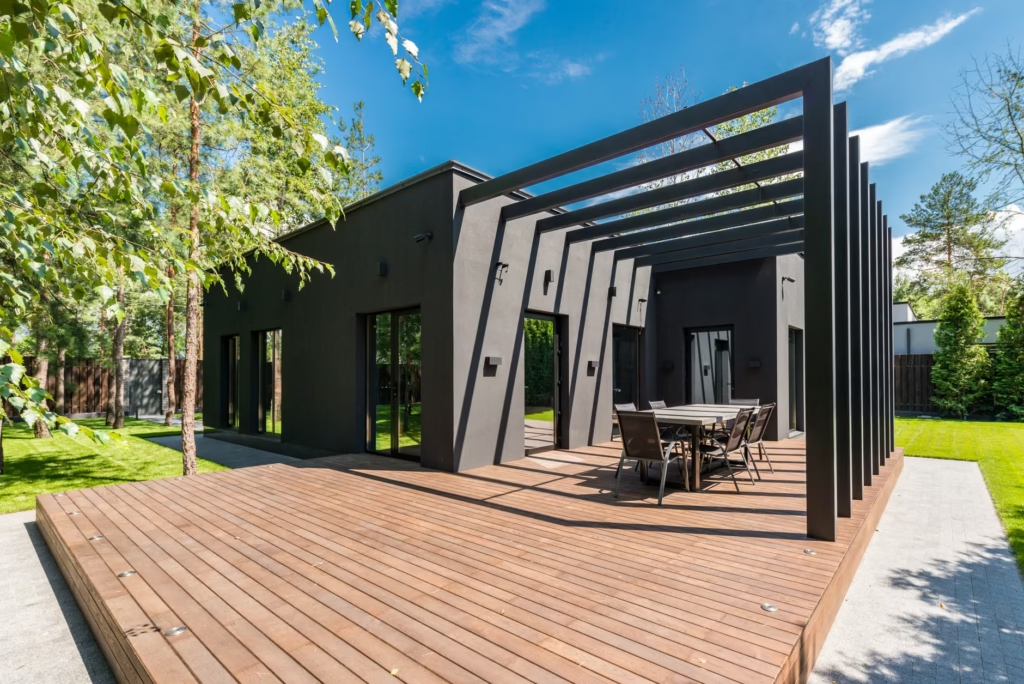
A bigger patio sounds like an obvious upgrade, but hardscape that expands without a water strategy often creates new discomfort. It can heat up the yard, reduce planting flexibility, and increase runoff. EPA identifies permeable pavements, rain gardens, vegetated swales, and related green-infrastructure approaches as tools that can help absorb, slow, or filter stormwater where site conditions are appropriate. (epa.gov)
That does not mean every yard needs permeable pavers or a rain garden. It means the surface plan and the drainage plan should be developed together. Sometimes the right answer is a smaller patio with a wider planted edge. Sometimes it is a path system instead of one giant slab. Sometimes it is keeping turf or groundcover where infiltration matters more than entertaining capacity. The mistake is assuming more hardscape automatically means a better backyard. (epa.gov)
5. Skipping permits, setbacks, and utility locates
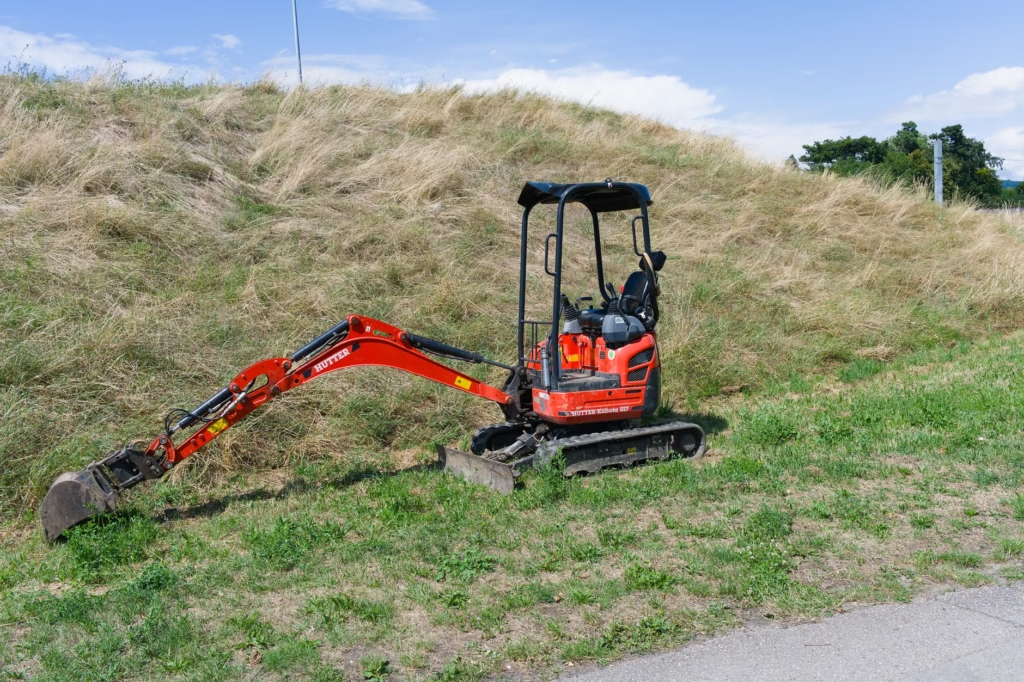
This is one of the least visible mistakes before construction and one of the most expensive during it. Permit triggers vary by location, and so do setback rules, electrical requirements, retaining-wall limits, and inspection steps. Even if a project seems minor, backyard work often intersects with local rules once it involves structures, electrical service, plumbing, gas, or major grading.
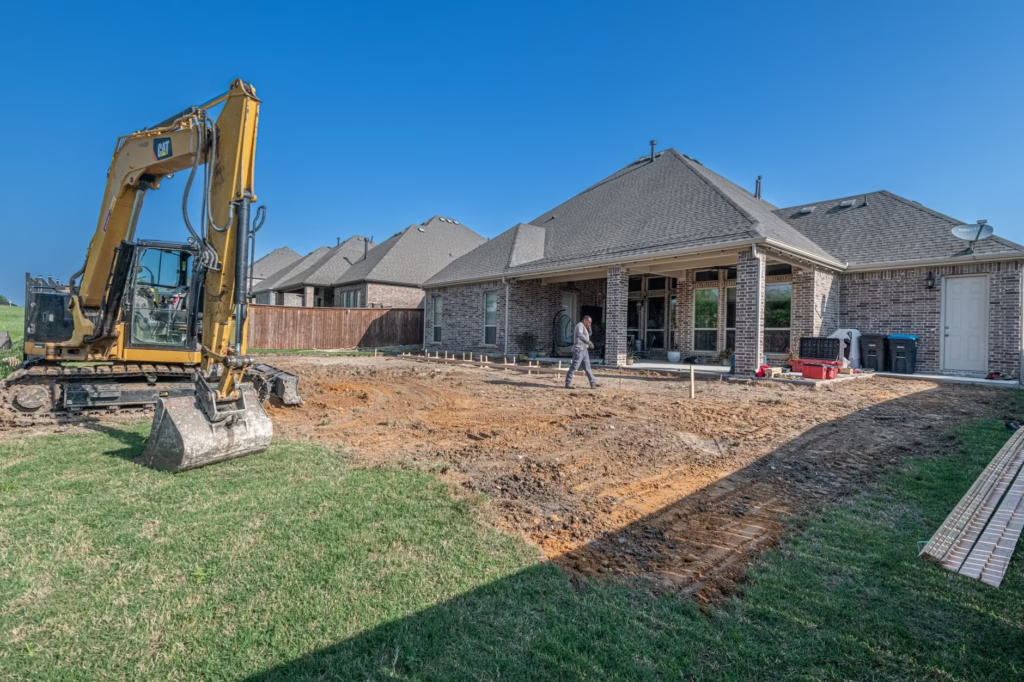
Underground utility risk is less negotiable. PHMSA says homeowners should call 811 before every digging project, including small home jobs, wait for lines to be marked, respect the marks, and dig carefully. State laws also govern how far in advance the request must be made. Treat that step as part of planning, not as a last-minute formality after the crew shows up. (phmsa.dot.gov)
6. Misreading sun, wind, and privacy
A seating area that feels pleasant at 10 a.m. can be punishing at 4 p.m. A raised bed that looked sunny in March may sit in deep summer shade. Utah State University Extension recommends noting seasonal sun and shade, soil, slopes, wind direction, and views during site analysis, while University of Minnesota Extension notes that shaded areas create their own microclimates with different wind, moisture, temperature, and light conditions. (extension.usu.edu)
- Check where morning sun lands versus late-afternoon sun.
- Stand in the future seating area on a windy day, not just a calm one.
- Look from upstairs windows and neighboring sightlines, not only from the patio.
- Notice reflected heat from walls, fences, stone, and dark paving.
- Mark the places that stay damp, stay hot, or never quite dry out after rain.
Privacy mistakes often come from assuming plants alone will solve visibility. Sometimes the better answer is changing the angle of a seat, adding a screen where it matters, or placing the lounge zone where neighbor windows matter less. Good backyard planning uses plantings, structures, and orientation together instead of asking one hedge to solve everything.
7. Choosing materials for looks instead of performance
A backyard surface is not only a color and pattern. It affects traction, drainage behavior, repairability, cleanup, and how comfortable the space feels after rain, leaf drop, pollen season, muddy shoes, furniture scraping, and winter debris. The prettiest material on a sample board can become the most annoying one in daily use if it is too slick, too fragile, too hot, too hard to repair, or too dependent on perfect installation conditions.
- Before selecting a surface, ask whether it will still work when wet, dirty, or shaded.
- Ask how easy it is to repair one damaged section without replacing everything.
- Ask what happens when chairs drag, grill wheels roll, and kids cut across it at speed.
- Ask what upkeep it requires: sealing, joint maintenance, edging, sweeping, or stain checks.
- Ask whether the material choice helps or hurts the yard’s drainage plan.
This is also where climate matters. Freeze-thaw cycles, windblown debris, heavy shade, and intense sun all change how surfaces age. The mistake is buying for the reveal photo instead of the fifth year.
8. Creating awkward circulation and cramped clearances
A backyard can contain all the right ingredients and still feel irritating because movement was never planned. The usual signs are familiar: someone has to squeeze behind a dining chair to reach the grill, the back door opens into furniture, the mower cannot reach the side gate cleanly, or guests keep walking through planting beds because the paved route is indirect.
Outdoor cooking areas make this especially obvious. NFPA’s consumer grill guidance says grills should be kept well away from siding and deck railings, out from under eaves and overhanging branches, and away from foot traffic and play areas. In planning terms, that means a grill zone needs more clearance and better routing than many homeowners sketch on the first draft. (nfpa.org)
9. Treating lighting, outlets, and irrigation as afterthoughts
If a finished backyard depends on temporary cords crossing the patio, the power plan was never finished. CPSC warns that extension cords lacking key safety characteristics can pose shock and fire hazards, and outdoor electrical equipment needs to be appropriate for outdoor use rather than treated as a permanent workaround. In renovation terms, power should be routed before hardscape and planting beds lock the layout in place. (cpsc.gov)
Irrigation belongs in the same conversation. EPA WaterSense recommends designing landscapes with water efficiency in mind, grouping plants with similar needs, and using equipment such as drip irrigation, timers, and weather-responsive controls where appropriate to reduce waste. When irrigation is bolted on after planting, some beds are overwatered, others are missed, and the yard becomes harder to maintain than it needed to be. (epa.gov)
10. Planting before understanding soil, water, and mature size
New planting often gets treated as the decorative finish line, which is why it is so often rushed. The result is predictable: shrubs pressed against walkways, trees added too close to structures, and broad soil amendments applied by guesswork. Penn State Extension describes soil testing as a way to measure nutrient availability, pH, and lime or fertilizer needs, while multiple Extension resources emphasize matching plants to actual sun, drainage, and site conditions. (extension.psu.edu)
A good rule is to design planting with the mature plant in mind, not the nursery pot size. That changes spacing, bed depth, view blocking, and root competition. It also reduces the common cycle of overplanting, aggressive pruning, and replacement a few years later. Permanent beds deserve the same planning discipline as hardscape because they change how the yard functions, not just how it looks.
11. Underestimating maintenance and how life will change
Maintenance is not just weeding. It includes cleaning joints, checking drainage after storms, adjusting irrigation through the season, pruning for clearance, storing cushions, replacing failing lights, and monitoring whether the yard is being overwatered or underwatered. EPA advises adjusting irrigation schedules with seasonal changes and watching for signals such as pooling water, excessive growth, leaks, or brown spots. (epa.gov)
The other part of this mistake is assuming the household will never change. Children get older. Pets age. Mobility needs shift. Garden enthusiasm rises and falls. The smartest backyard plans leave some flexibility: open space that can change purpose, planting beds that are not overpacked, storage that can absorb new gear, and paths that still work when the layout evolves. A renovation should age into daily life, not lock the yard into one season of life.
A better order of operations
- Observe the yard during or after rain and map puddles, downspouts, low spots, and runoff exits. (epa.gov)
- Track sun, shade, wind, and sightlines over time instead of relying on one visit. (extension.usu.edu)
- List the top three everyday uses the yard must support and sketch the routes between them.
- Mock up major features at full size with hoses, stakes, or tape before finalizing dimensions.
- Confirm local approvals and call 811 before digging anything permanent. (phmsa.dot.gov)
- Choose surface materials, lighting, power, and irrigation as one coordinated system rather than separate add-ons. (cpsc.gov)
- Test soil, then finalize permanent planting once the hardscape and utility plan are settled. (extension.psu.edu)
Backyard regret usually starts long before the furniture arrives. If the next decision in a project is paint color, paver pattern, or pergola stain, it is worth pausing and running the yard through water, movement, and use one more time. Fix drainage first, locate utilities, reserve real space for circulation and services, and only then spend on finishes. That order is less exciting, but it is what makes a backyard feel easy to live with years after the reveal photos. (epa.gov)
Frequently asked questions
What should be fixed first in an existing backyard that already has problems?
Start with water. If runoff heads toward the house, puddles linger, or mulch repeatedly washes out, drainage and grade deserve attention before cosmetic upgrades. Surface changes can amplify those problems if they are installed first. (extension.umn.edu)
Are permeable pavers always a better choice than a standard patio surface?
No. They can be a strong option where runoff reduction matters and the site is suitable, but EPA treats permeable pavements as one tool among several, alongside rain gardens, swales, and other green-infrastructure strategies. The right choice depends on drainage goals, maintenance tolerance, soil conditions, and how the space will be used. (epa.gov)
Do I really need to call 811 for a shallow fence post, shrub, or small backyard dig?
Yes. PHMSA says homeowners should contact 811 before every digging project, including small home projects, then wait for utilities to be marked and dig carefully. Do not treat shallow digging as automatically safe. (primis.phmsa.dot.gov)
When is a soil test worth the trouble?
It is especially worthwhile before installing permanent planting beds, adding broad amendments, or trying to solve recurring plant-performance problems. Extension guidance notes that a lab soil test can identify pH and nutrient conditions so lime, fertilizer, and amendment decisions are based on evidence rather than guesswork. (extension.psu.edu)
Can a modest backyard renovation still benefit from professional help?
Often, yes, but that does not have to mean full-service design. A focused consultation can be valuable when the project involves drainage, grading near a foundation, retaining walls, permanent electrical work, gas lines, or irrigation planning. The more a renovation affects water movement or buried utilities, the more expensive a bad assumption becomes. (extension.umn.edu)
References
- U.S. Environmental Protection Agency – Urbanization and Stormwater Runoff – https://www.epa.gov/sourcewaterprotection/urbanization-and-stormwater-runoff
- U.S. Environmental Protection Agency – Types of Green Infrastructure – https://www.epa.gov/green-infrastructure/types-green-infrastructure
- Pipeline and Hazardous Materials Safety Administration – Call Before You Dig – https://primis.phmsa.dot.gov/stakeholder-comms/CBYD/
- Utah State University Extension – Designing a Low Water Use Landscape – https://extension.usu.edu/yardandgarden/research/designing-a-low-water-use-landscape
- University of Minnesota Extension – Moisture in Basements: Causes and Solutions – https://extension.umn.edu/moisture-and-mold-indoors/moisture-basements-causes-and-solutions
- Penn State Extension – An Introduction to Rain Gardens – https://extension.psu.edu/an-introduction-to-rain-gardens
- Penn State Extension – Soil Testing – https://extension.psu.edu/soil-testing
- U.S. Environmental Protection Agency – Landscaping Tips – https://www.epa.gov/watersense/landscaping-tips
- U.S. Environmental Protection Agency – Watering Tips – https://www.epa.gov/watersense/watering-tips
- Consumer Product Safety Commission – Extension Cords – https://www.cpsc.gov/FAQ/Extension-Cords?language=en
- National Fire Protection Association – Educational Messages Desk Reference – https://www.nfpa.org/-/media/project/storefront/catalog/files/home-fire-safety/emac/educationalmessagesdeskreference.pdf?rev=967564ad45c84627bb02b5baef0dc12c