
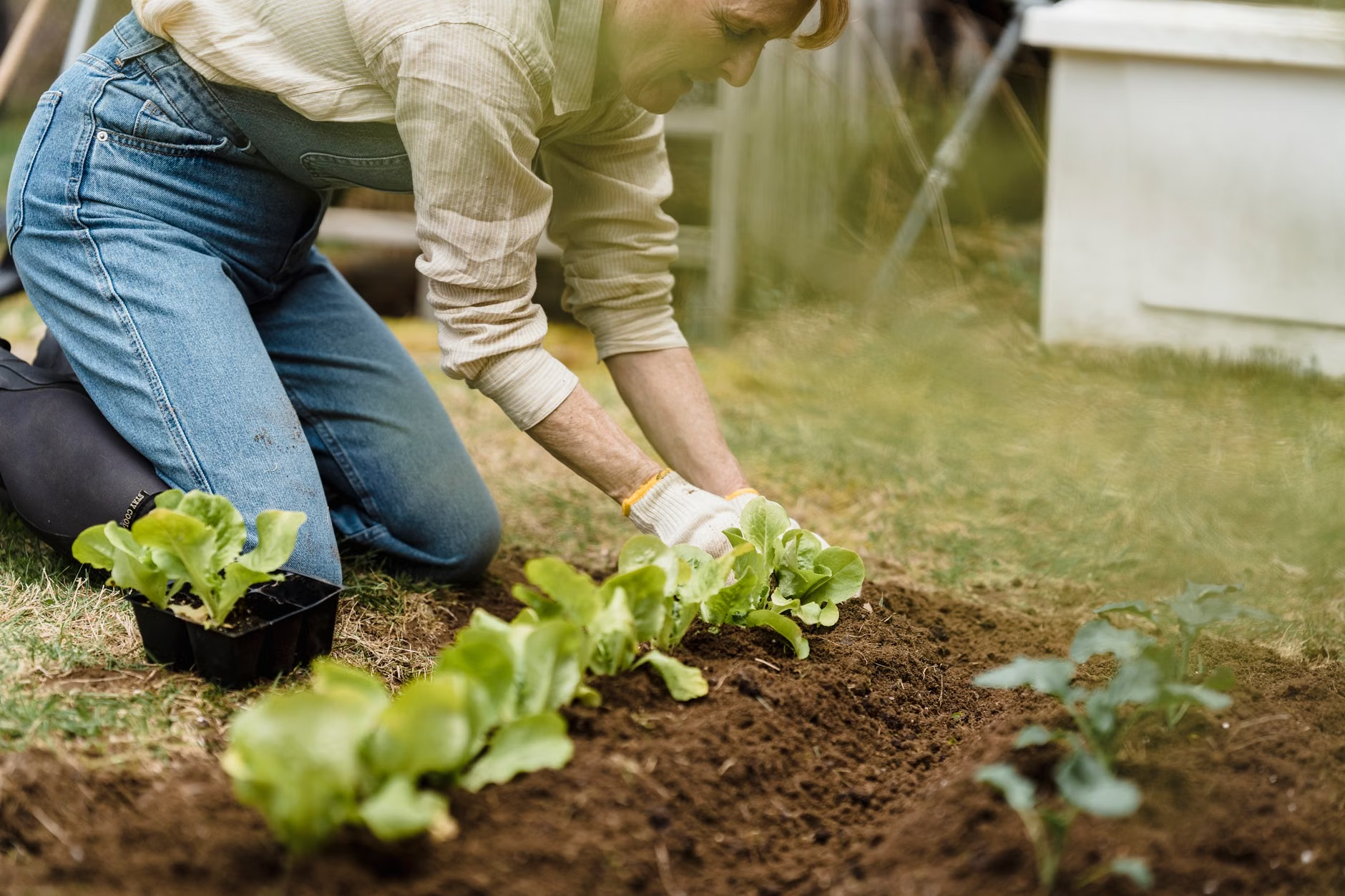
A first backyard garden usually succeeds or fails before the first seed goes into the ground. Beginners often make the same three mistakes: they pick the wrong spot, plant far too much, and choose crops that do not match the light or season. A better first year is usually smaller and simpler than most people expect. One manageable bed, a short planting list, and a basic care routine are often enough to produce food and, more importantly, useful experience. (extension.oregonstate.edu)
Choose the sunniest practical spot, not the most convenient empty corner
Start with the site. Most vegetables need real sunlight, not just a bright yard. A productive beginner bed should be in a level or gently sloped area with loose, well-drained soil and plenty of sun. Fruiting crops such as tomatoes, peppers, cucumbers, squash, and melons generally need at least six to eight hours of direct sun, while some leafy and root crops can manage with less. Water access matters, too. If watering the bed means dragging a hose across half the property every evening, maintenance usually slips. Avoid spots beside large trees and shrubs, low areas where cold air or standing water collect, and places where fences or sheds cast longer shadows than expected. (extension.oregonstate.edu)
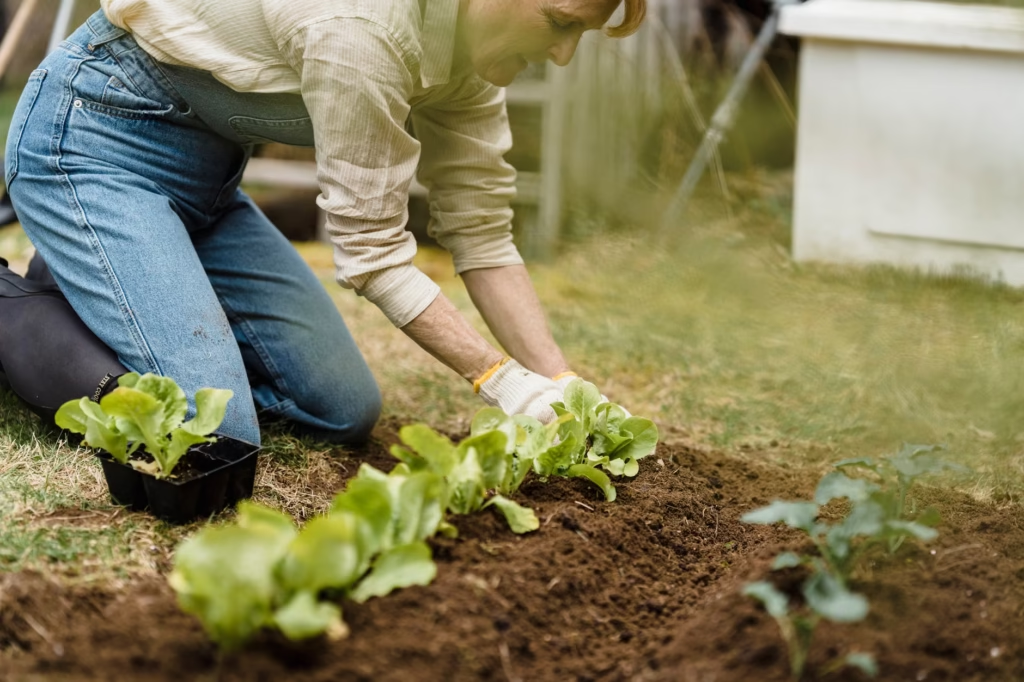
- Check the space in the morning, at midday, and again late in the afternoon before deciding it is “full sun.” (extension.oregonstate.edu)
- Notice whether water drains away or puddles after rain or heavy watering. (extension.oregonstate.edu)
- Look for hidden competition from tree roots, fences, and buildings that change light through the season. (extension.oregonstate.edu)
- Make sure the bed is close enough that harvesting, weeding, and watering will actually happen.
A part-sun yard is not a deal-breaker. It just changes the crop list. Greens and some roots are usually better beginner choices for a four-to-six-hour space than sun-hungry plants that produce fruit. If the best spot is bright but not blazing, think lettuce, spinach, kale, radishes, beets, and herbs before thinking beefsteak tomatoes. (extension.oregonstate.edu)
Make the first garden smaller than your ambition
The easiest way to overwhelm a beginner is to build too much garden. Start with one small in-ground plot or one to two raised beds, then expand only after a full season of watering, weeding, and harvesting. Beds around 3 to 4 feet wide are common for a reason: they let a gardener reach the center without stepping on the soil and compacting it. Smaller beds also make crop rotation, trellising, and simple planning much easier. (extension.oregonstate.edu)
In-ground gardening is usually the lower-cost choice and often holds moisture better. Raised beds make more sense when native soil drains poorly, the yard is rocky or uneven, or the gardener wants clear paths and easier access. They also warm and drain faster in spring, which can help early growth. The tradeoff is that raised beds usually need more frequent watering and cost more to build and fill. For many beginners, that tradeoff is still worth it if the existing yard soil is hard to work with. (extension.oregonstate.edu)
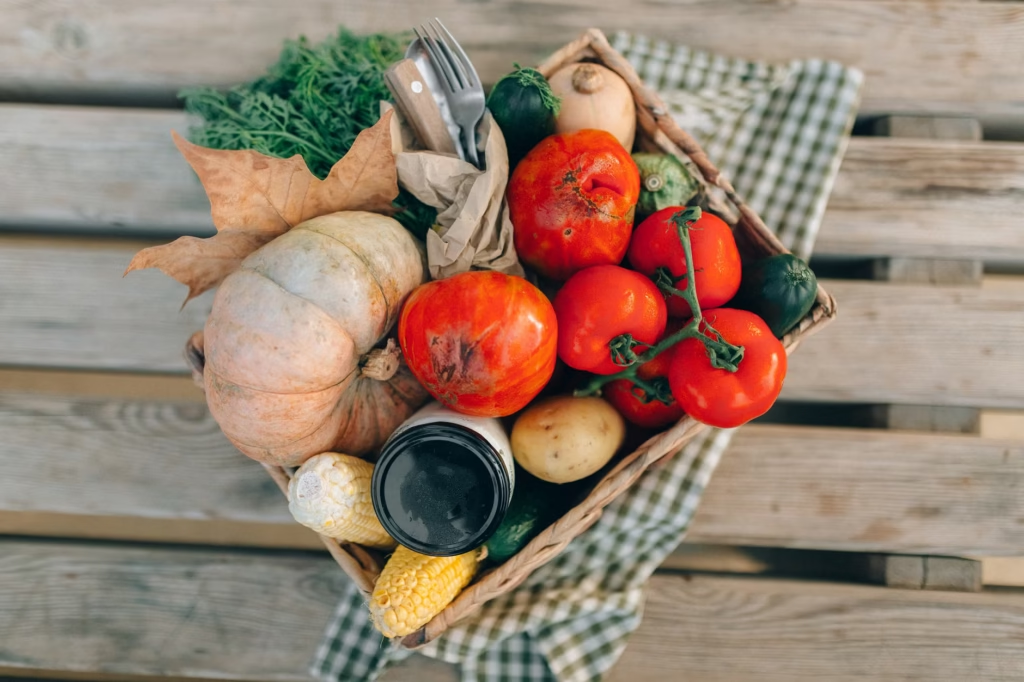
A practical first setup is one main bed for vegetables and a few containers near the back door for herbs. That keeps the garden useful without turning it into a full-time project.
Build the soil, then plant a short crop list that fits the light
Before planting, learn what the soil needs instead of guessing. A basic soil test can tell a home gardener about pH, texture, organic matter, and nutrient levels, and it can guide decisions about compost, fertilizer, or lime. That is especially useful when converting lawn into a garden bed. If there is any reason to worry about contamination, ask about lead or other contaminant testing rather than assuming the site is fine. (extension.umn.edu)
- Pick four or five crops total for the first season. Variety is fun, but too many crops create too many watering, spacing, and harvesting decisions.
- Match crops to the light you actually have. In strong sun, tomatoes, peppers, beans, cucumbers, and squash are realistic beginner options. In lighter shade, lean toward greens, roots, peas, and herbs. (extension.oregonstate.edu)
- Put tall or trellised crops on the north side of the bed so they do not shade shorter plants. (extension.oregonstate.edu)
- Use a simple plan rather than planting at random. In a sunny bed, that might mean one cherry tomato in a cage, one trellised cucumber, two pepper plants, a short row of bush beans, and basil at the edge.
One helpful distinction: the USDA Plant Hardiness Zone Map is described by USDA as the standard for determining which perennial plants are likely to survive winter in a location. For a beginner vegetable garden, that means the zone is useful context, but it should not be the only planning tool. Annual vegetables still need to be matched to the season, soil conditions, and the amount of sun the site actually gets. That is one reason the same backyard can support spring lettuce well before it is ready for heat-loving summer crops. This is an editorial inference based on USDA guidance about hardiness zones and Extension guidance on crop needs. (planthardiness.ars.usda.gov)
Keep the first season easy to maintain
Once the garden is planted, consistency matters more than complexity. Vegetables need regular moisture, but a fixed watering calendar is a poor substitute for observation. A simple beginner habit is to check the soil with a finger before watering. If the soil feels dry a couple of inches down, water thoroughly. If it still feels moist, wait. This quick check helps avoid two common problems: shallow daily sprinkling that never reaches roots, and overwatering in beds that already drain slowly. Raised beds usually need attention sooner than in-ground plots. (extension.oregonstate.edu)
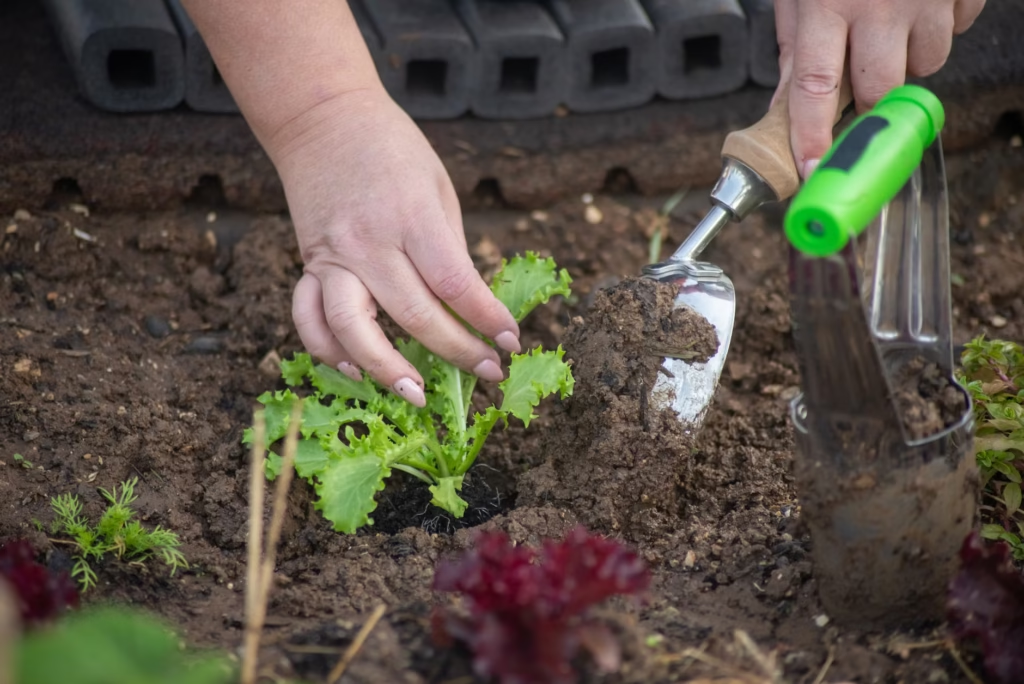
- Check moisture before watering rather than watering by habit.
- Pull weeds while they are small. Early removal is easier and reduces competition for water and nutrients. (extension.oregonstate.edu)
- Add organic mulch after plants are established to help suppress weeds and reduce surface evaporation. (extension.oregonstate.edu)
- Harvest often and keep a few notes on what bolted, shaded out, or needed more support.
When possible, water at ground level instead of repeatedly soaking the leaves. Extension guidance notes that drip or soaker-style watering is more efficient than overhead watering, and mulch can help keep moisture from evaporating too quickly once summer heat arrives. None of this needs to be elaborate. A beginner garden often does better with a hose, a watering wand, and ten observant minutes than with an ambitious setup no one wants to maintain. (extension.oregonstate.edu)
A successful first backyard garden does not have to be big or perfectly planned. It has to be sunny enough, small enough, and simple enough that care stays manageable for a full season. If the first year teaches which part of the yard gets the best light, which crops the household actually eats, and how fast the soil dries out, that garden is already doing its job.