
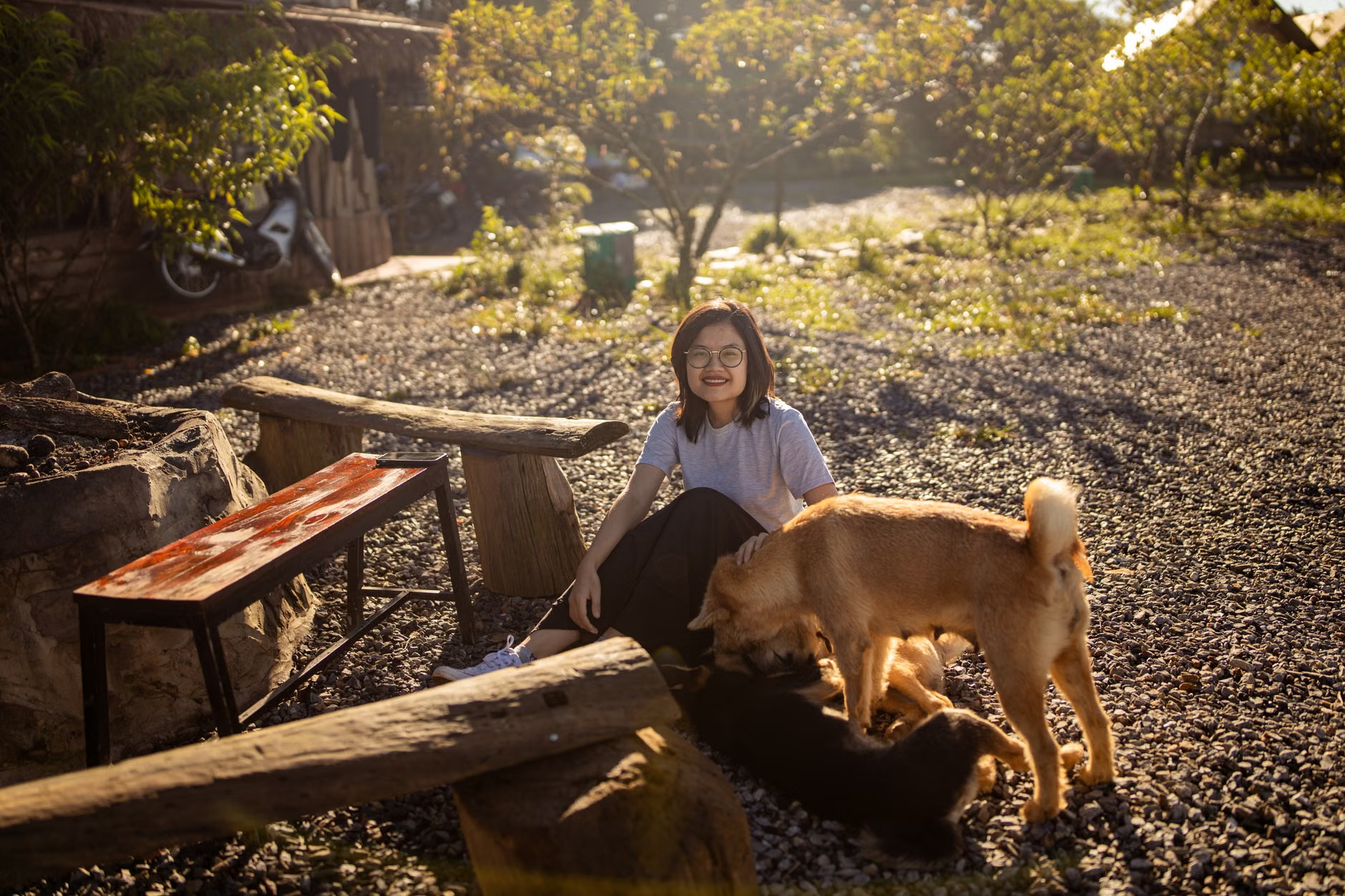
A dog-friendly backyard stays beautiful when it stops trying to be delicate. The goal is not to protect every square foot from the dog. It is to give the dog obvious places to run, rest, dig, and relieve itself so the rest of the yard can look intentional. That shift matters. A backyard designed around real behavior usually needs fewer repairs, looks tidier week to week, and feels more relaxing to live with.
Start with your dog’s traffic pattern, not your plant list
Most backyard damage follows patterns. Dogs tend to sprint from the same door, patrol the same fence line, cut the same corner, and settle in the same shady spot. If planting comes first and observation comes later, the usual result is worn grass, muddy shortcuts, and flower beds that always look slightly defeated. Spend a few days watching where paws actually go, then let those routes shape the plan. A path where the dog already runs will look far better than a path built somewhere the dog never wanted to use in the first place.
- Watch the first five minutes after the dog goes outside. That usually reveals the launch route and patrol loop.
- Mark four things on a simple sketch: the run path, potty area, favorite rest spot, and any digging corners.
- Check the yard after watering or rain so you can see where mud forms and where drainage is weak.
- Turn repeat wear into intentional design: paths, open play space, or a dedicated relief area instead of constant patching.
A simple hypothetical example: if a young Lab blasts off the patio, cuts diagonally across the lawn, circles the left fence corner, and then collapses under one tree, that route should not be treated like a lawn problem. It is the yard’s real circulation pattern. In that case, a gravel or paver path on the diagonal, sturdier planting away from the corner, and a defined shaded rest area under the tree will usually look better than reseeding the same track every month.
Separate the play lane, potty spot, and planting beds
The prettiest dog yards usually have a few clear zones instead of one do-everything lawn. Start with a durable movement zone: an open strip or central area where running and rough play can happen without trampling ornamental plants. Then create a relief zone close enough to the door that the dog will actually use it. That one move can save the rest of the yard from becoming a patchwork of stressed grass and bare spots. Finally, keep planting zones physically distinct. Raised beds, deeper borders, containers, low decorative edging, and larger shrubs at the back all make it easier for delicate plants to survive normal dog traffic.
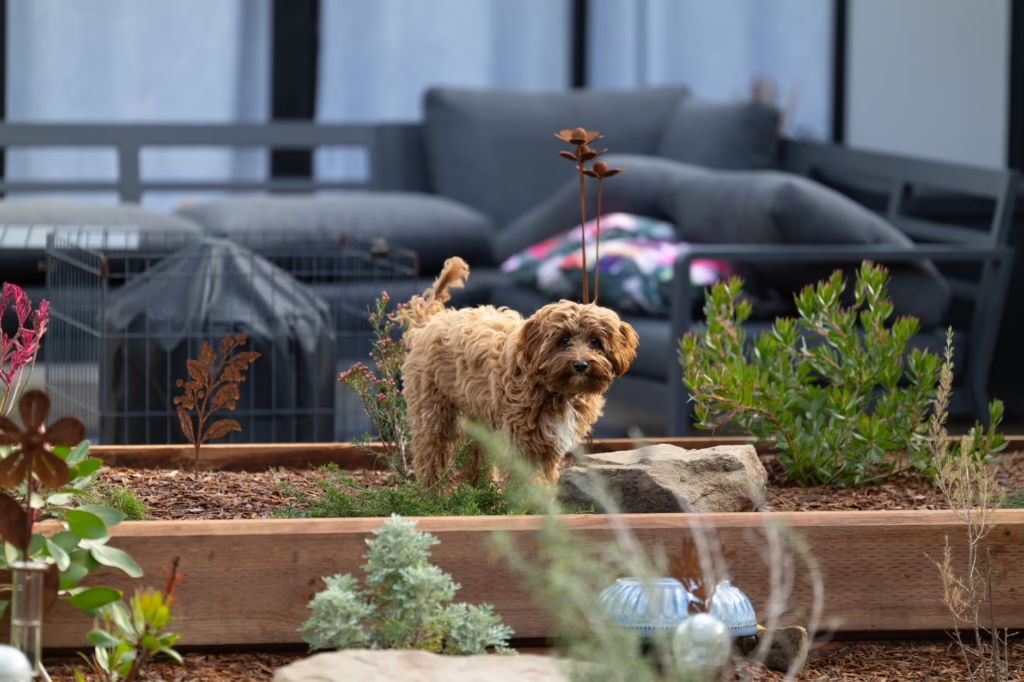
Plant choice also matters, but layout matters just as much. ASPCA advises checking the exact plant name before buying because common names can be misleading, and its toxic and non-toxic database is not all-inclusive. Some landscape plants that ASPCA flags as toxic to dogs include sago palm, oleander, azalea, and rhododendron. If color is the priority, ASPCA lists options such as petunias, zinnias, sunflowers, snapdragons, and roses among non-toxic choices. Even then, “non-toxic” is not the same as “good to chew”; ASPCA notes that any plant can still cause mild stomach upset if a pet eats enough of it. (aspca.org)
Materials deserve the same scrutiny. ASPCA warns that open compost piles, some fertilizers, and cocoa mulch can all create problems for dogs. Compost may contain toxic foods or mold, and cocoa mulch can cause anything from stomach upset to heart rhythm changes or seizures if enough is eaten. In practical terms, that means keeping compost inaccessible, storing lawn products securely, and avoiding decorative materials that smell interesting enough to invite chewing. (aspca.org)
Make shade, drainage, and boundaries part of the design
A backyard can look lush in spring and still fail badly in summer. AAHA says heatstroke risk should be considered any time temperatures are above 80°F or humidity is high, especially when pets do not have enough shade, water, ventilation, or rest. That makes shade a design feature, not an optional extra. Build in at least one real cooling area that is shaded when the dog is usually outside, plus easy access to fresh water. If a dog shows heavy panting, excessive drooling, weakness, vomiting, stumbling, or collapse, move the dog to a cool, shaded area and contact a veterinarian right away. (aaha.org)
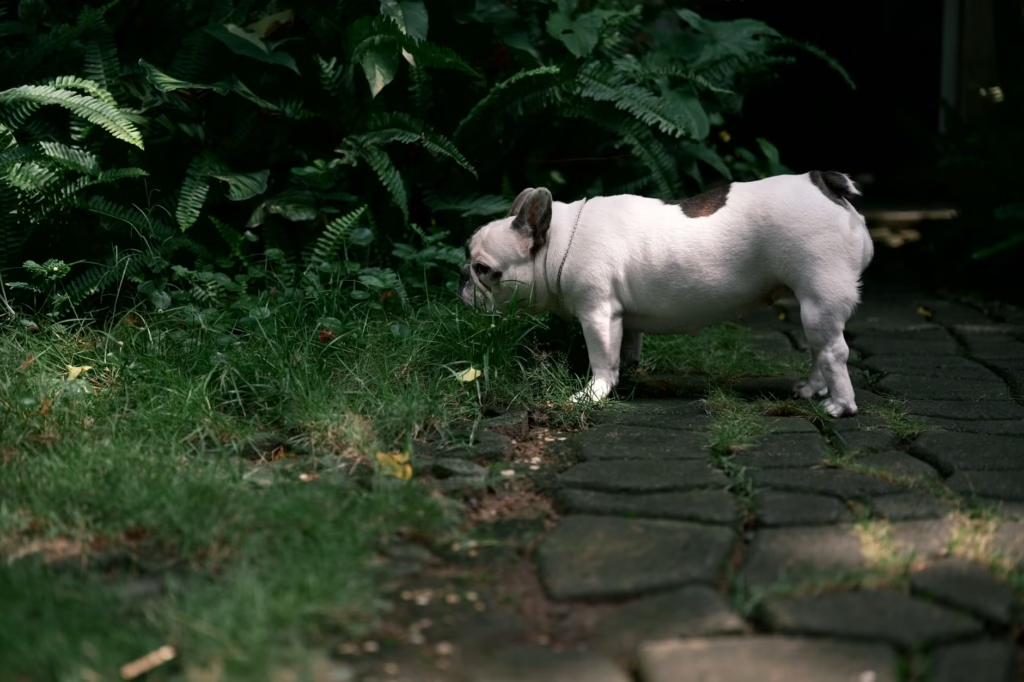
The small choices that protect beauty are usually the least glamorous ones. Fix gaps under gates before they become escape tunnels. Keep benches, stacked firewood, and big planters away from the fence if they create an easy jumping platform. Near the back door, solve muddy wear with a landing pad of pavers or compacted gravel and simple drainage instead of hoping grass survives constant traffic. And if one corner of the yard keeps getting dug up, stop fighting the instinct everywhere. A single acceptable digging area with loose soil or sand is often easier on the landscape than trying to make every bed off-limits.
The best-looking dog backyard is rarely the fanciest one. It is the one that accepts how the dog moves and builds beauty around that behavior. Map the routes first, assign a few clear zones, verify every plant, and design for heat and cleanup from the beginning. The yard will not just look better. It will stay easier to keep that way.
References
- ASPCA – Toxic and Non-Toxic Plants – https://www.aspca.org/pet-care/aspca-poison-control/toxic-and-non-toxic-plants?gad_source=1&gbraid=0AAAAAD7SyDw3fnPGkqe2w3x3zS1-Qhho2&page=63
- ASPCA – Do You Know Which Flowers and Plants are Toxic to Pets? Our Experts Explain! – https://dev-cloudflare.aspca.org/news/do-you-know-which-flowers-and-plants-are-toxic-pets-our-experts-explain
- ASPCA – Expert Tips on Gardening With Pets – https://www.aspca.org/news/expert-tips-gardening-pets
- AAHA – How to Prevent Heatstroke in Dogs and Cats – https://www.aaha.org/resources/how-to-prevent-heatstroke-in-dogs-and-cats/