

A backyard usually does not fall apart all at once. Problems build quietly: water starts pooling near a fence, mulch creeps up against tree trunks, sprinkler heads drift out of alignment, and a late-season trim removes next spring's flowers. A seasonal checklist works because it catches those small issues before they become repairs, plant loss, or a weekend of catch-up labor.
Use the checklist by conditions, not just by the calendar. In warmer regions, spring tasks may start earlier and freeze prep may be minimal. In colder regions, winter shutdown matters much more.
Start each season with a 15-minute yard walk
Before pulling out tools, walk the perimeter and the center of the yard with a phone in hand. Take a few photos from the same spots each season. That simple habit makes slow changes easier to spot, especially drainage patterns, bare turf, leaning structures, and shrubs that are starting to outgrow their space.
- Check water movement first. Look for puddles after rain, downspouts that empty into planting beds, washed-out mulch, muddy low spots, and soil that stays soggy near patios or fences.
- Check plants next. Note dead wood, broken limbs, rubbing branches, crowded perennials, and shrubs blocking walkways, windows, or outdoor equipment.
- Check surfaces and hardware. Lifted pavers, loose gate hinges, soft deck boards, cracked hose nozzles, and unstable trellises are easier to fix early.
- Check safety last. Low limbs over seating or play areas, slippery algae on shaded hardscape, and hidden holes in turf deserve attention before cosmetic jobs.
This walk keeps the rest of the checklist honest. If one part of the yard is fine, it does not need ritual maintenance just because the season changed.

Spring is the time to correct pruning and mulch mistakes
- Clear winter debris from lawn and beds, but separate trash from reusable organic material.
- Remove dead or damaged branches and inspect shrubs for crossing growth or winter injury.
- Prune with the plant's bloom cycle in mind. Spring-flowering shrubs such as lilac, azalea, rhododendron, and forsythia are usually best pruned right after they finish flowering, not before.
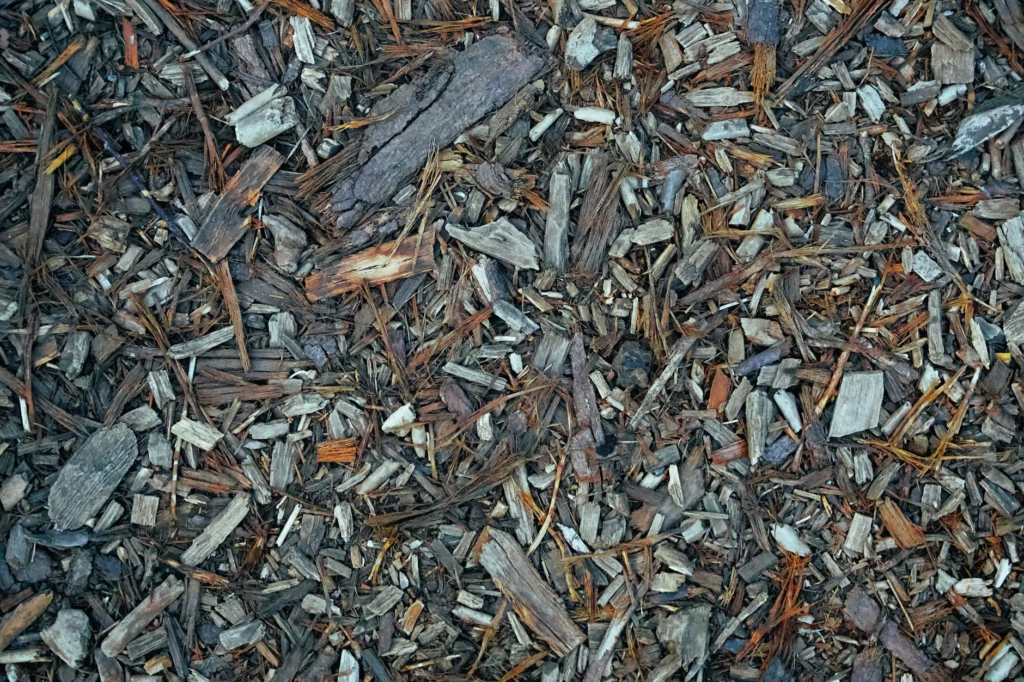
- Refresh mulch only where it has thinned or washed away. In most beds, a 2-to-4-inch layer is plenty, and mulch should stay pulled back from trunks and stems.
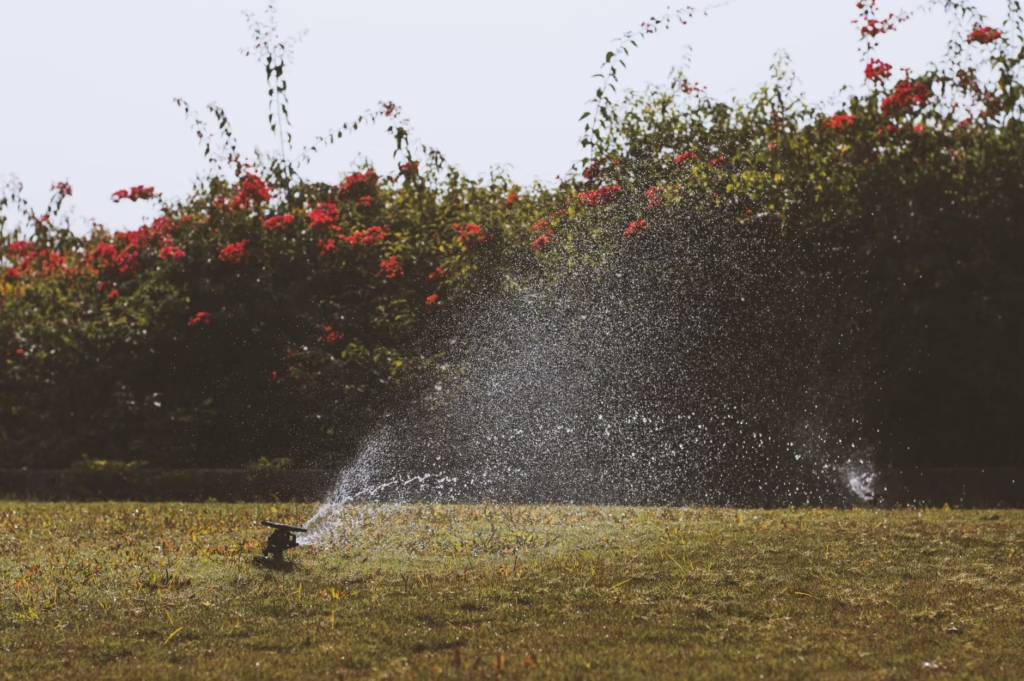
- Run irrigation zones briefly before regular watering season starts so clogged heads, leaks, and bad spray patterns show up while the weather is still forgiving.
The common spring mistake is treating every shrub the same. A quick all-over trim may make the yard look neat for a week, but it often removes flower buds or creates awkward regrowth. Spring is also when more mulch gets mistaken for better mulch. Thick piles against bark trap moisture where it is least helpful.
Summer maintenance is mostly about water and stress
Summer work should be lighter than spring work. The goal is not major renovation. It is keeping heat, foot traffic, and uneven watering from doing lasting damage.
- Decide early how intensively the lawn will be managed. Established turf generally responds better to deep, infrequent watering than to shallow daily sprinkling.
- Water early in the day when possible. On slopes or heavy clay, split a long session into two shorter cycles if water starts running off before it soaks in.
- Test sprinkler coverage with straight-sided cans or coffee cans placed around the spray zone. If the water levels are uneven, the issue is usually head alignment, overlap, or a clogged nozzle.
- Mow high enough for the season and keep blades sharp. A dull blade tears grass, which makes drought stress and browning look worse.
- After storms, scan large trees for hanging limbs, fresh bark wounds, or branches resting on fences, sheds, or utility lines.
One important exception: newly seeded patches, containers, and recently planted shrubs often need more frequent watering than established lawn or mature beds. Summer schedules should follow root depth, not convenience.
Fall cleanup should make winter easier, not just tidier
- Keep heavy leaf buildup off turf, especially in damp areas where it can smother grass. A light layer can often be mulched in place with the mower.
- Shred and reuse some leaves in planting beds or compost instead of bagging everything for disposal.
- Clean gutters and confirm that downspouts move water away from the house, patio edges, and planting beds before winter rain or snowmelt.
- Disconnect and drain hoses, and shut off and drain water feeding exterior faucets before freezing weather arrives.
- Winterize irrigation lines according to the system guidance. In colder areas, many homeowners prefer professional service for this step rather than guessing.
- Store tools clean and dry, and replace broken hand tools, worn hose washers, or damaged sprinklers now instead of discovering them on the first warm weekend of spring.
Fall cleanup does not have to mean stripping the yard bare. Remove material that blocks drainage, smothers turf, or clearly carries disease pressure, but keep useful organic matter working in the landscape where it can improve soil and reduce next year's mulch bill.
The simplest version of this checklist is also the most effective: inspect first, fix water problems second, then handle plants, surfaces, and winter prep. That order keeps a backyard functional, safer, and easier to manage without turning every season into a full-yard project.
References
- UMN Extension - Mulching for soil and garden health - https://extension.umn.edu/managing-soil-and-nutrients/mulching-soil-and-garden-health
- University of Maryland Extension - Pruning Shrubs and Hedges in the Home Garden - https://www.extension.umd.edu/resource/pruning-shrubs-and-hedges-home-garden
- Illinois Extension - Watering Your Lawn - https://extension.illinois.edu/lawns/watering-your-lawn
- Illinois Extension - Water Pipes - https://extension.illinois.edu/disasters/water-pipes