
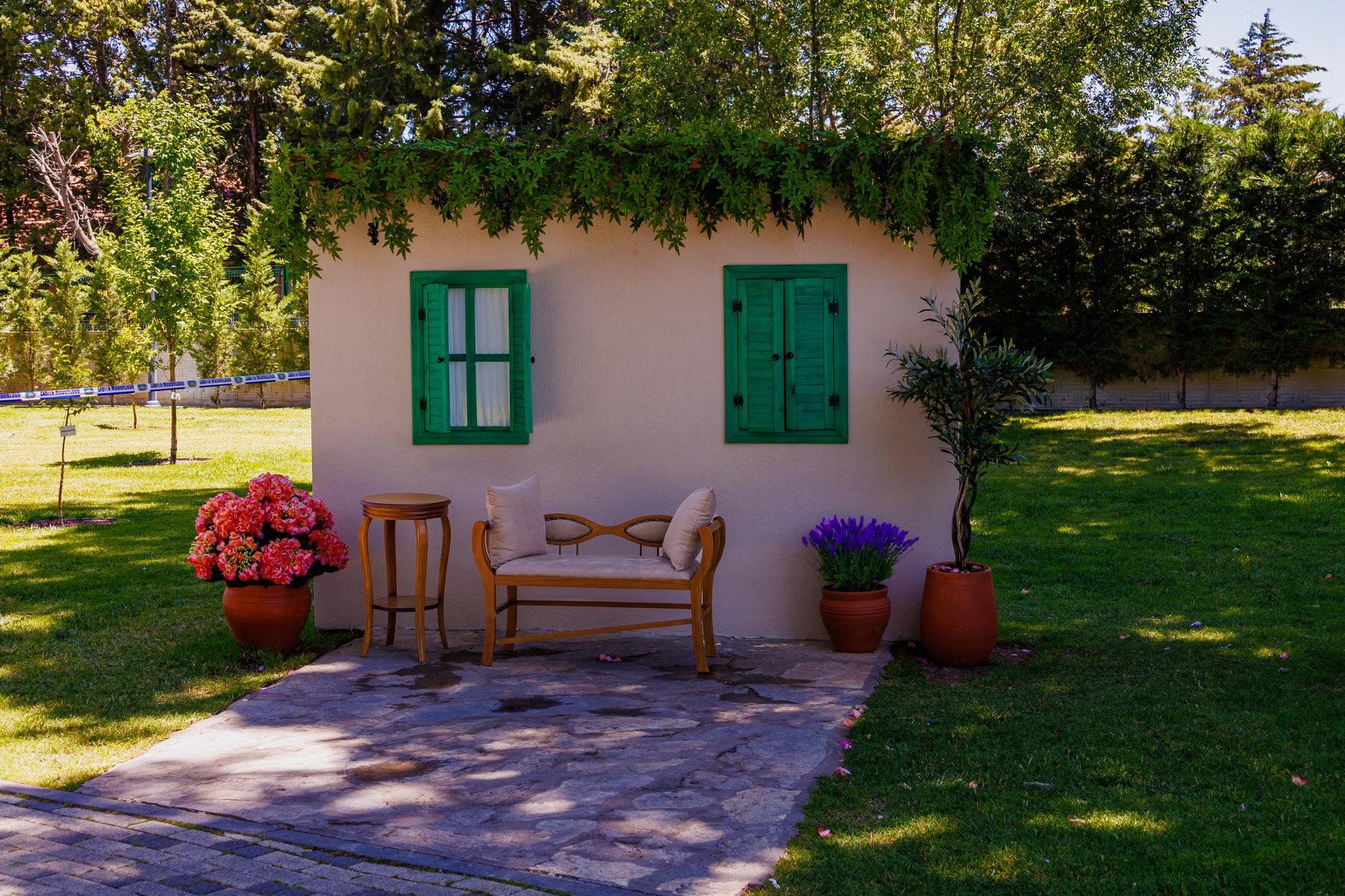
In a small backyard, the feeling of space is often shaped more by sightlines, scale, and visual clutter than by square footage alone. Landscape design guidance from extension and horticulture sources consistently points to unity, appropriate scale, and deliberate use of views as core tools for making compact outdoor areas work better. (content.ces.ncsu.edu)
That quick scan often reveals the real issue. Many small backyards do not feel cramped because they are tiny; they feel cramped because the layout interrupts the view every few feet. University of Delaware guidance on creating a base plan and identifying good and bad views is a useful reminder that a better backyard usually starts with seeing the site clearly before adding features. (udel.edu)
Use height, scale, and planting more strategically
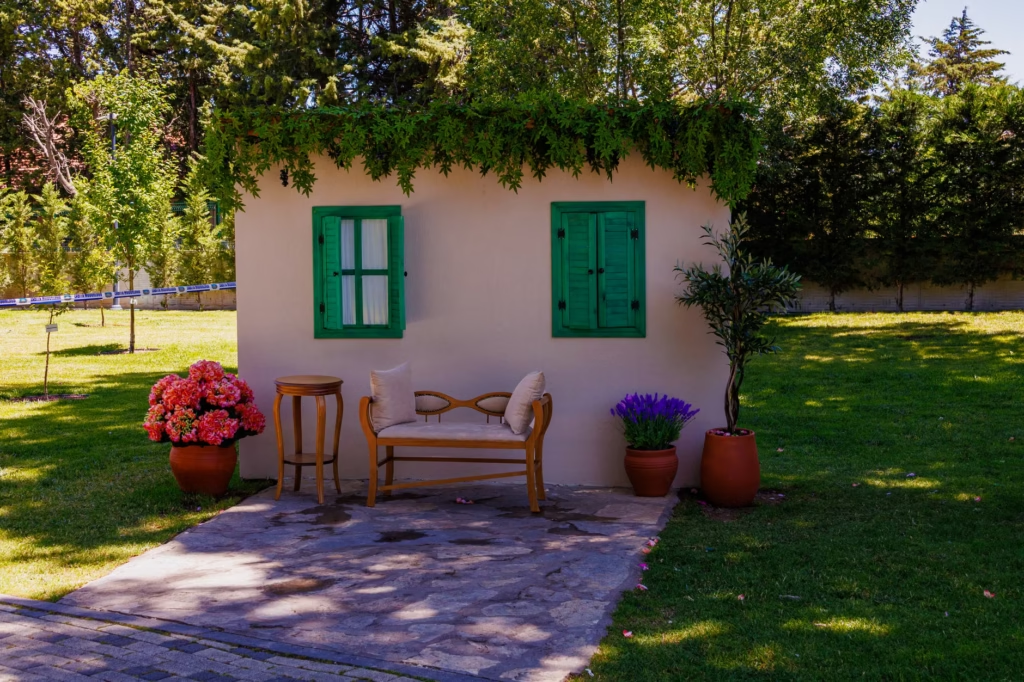
- Place one focal point at the far end. A bench, raised planter, small tree, or simple water bowl gives the eye a destination, and extension guidance notes that a strong accent can help a space seem larger. (content.ces.ncsu.edu)
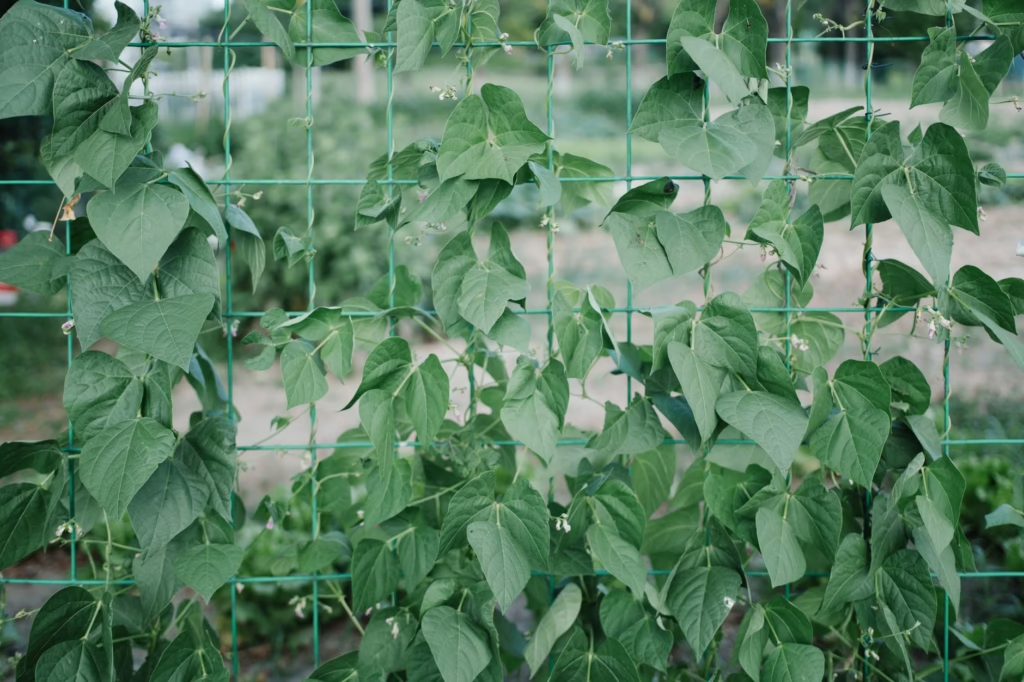
- Use walls and fences as growing space. Trellises, wire supports, and wall-mounted planters add height without taking much floor area, which is why small-space gardening advice often recommends thinking beyond the ground plane. (gardeningsolutions.ifas.ufl.edu)
- Choose plants by mature width, not nursery pot size. Upright or columnar plants are usually better in narrow beds, while wide, fast-growing shrubs can force constant shearing and visually crowd paths. (ask.ifas.ufl.edu)
- Repeat fewer plant varieties in larger groups. NC State and UF/IFAS both emphasize simplicity and massing because a collector-style mix of one of everything can read as busy in a compact yard. (content.ces.ncsu.edu)
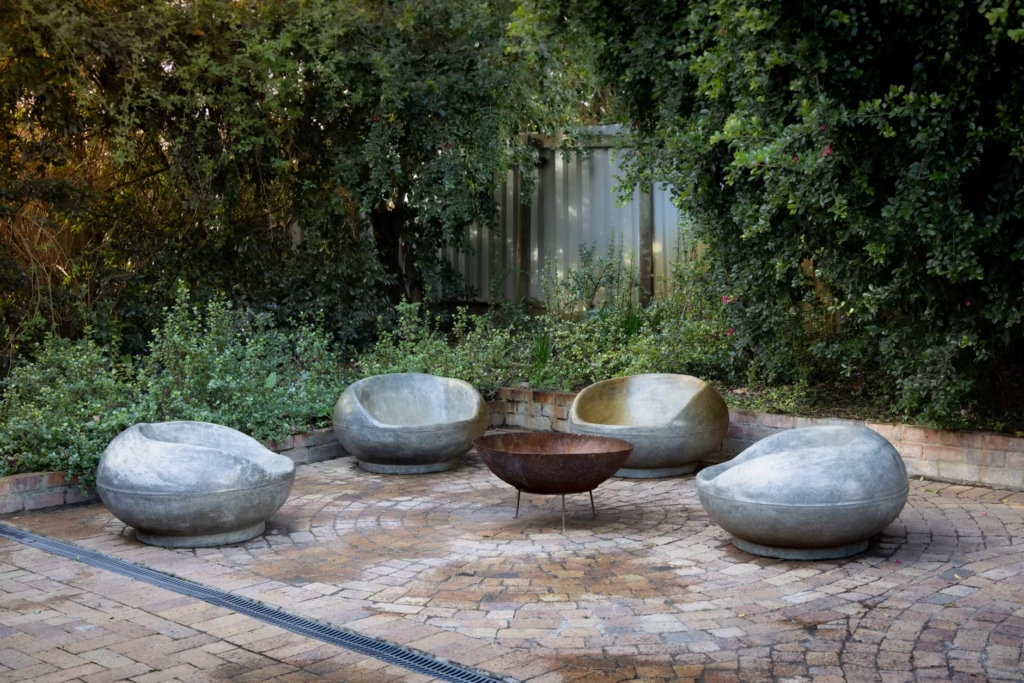
- Downsize furniture before you downsize comfort. Open-frame chairs, a backless bench, or a narrow dining table can preserve circulation better than bulky deep seating, which often overpowers small outdoor rooms. (ask.ifas.ufl.edu)
- Light the outline of the yard, not just the center. A few low fixtures washing the fence, steps, or back planting bed can reveal the full depth of the space at night, when a single bright patio light tends to flatten everything.
- Keep the center as open as possible. Shifting planters, storage, and decorative elements to the perimeter can help the yard read as one continuous space instead of a series of small obstacles.
- Use one flooring material where you can. Too many paving changes can visually chop up a small backyard, while a more unified surface usually makes it feel calmer and larger.
- Limit the color palette. Repeating a few coordinated finishes for fencing, pots, cushions, or paving can reduce visual noise and make the space feel more intentional.
- Keep paths direct. In a tight yard, awkward detours around furniture or oversized planting beds can make the footprint feel smaller than it is.
- Scale screens and dividers carefully. Privacy matters, but too many freestanding panels or bulky partitions can box the yard in if they interrupt long views.
- Remove one unnecessary bulky item. Sometimes the fastest way to make a backyard feel bigger is not to add anything at all, but to take out the feature that blocks the view or dominates the center.
If the budget is tight, start with three moves: remove one bulky object from the center, simplify the flooring or color palette, and size planting by mature width rather than what looks small in a nursery pot today.
A bigger look still has to work in real life
The most common mistake is trying to fix a small backyard with more stuff: more planters, more materials, more screens, more ornaments. That usually makes the space feel tighter. Privacy is the main exception. If screening from neighbors matters, a solid fence may be necessary, but the yard often feels less boxed in when that boundary is softened with climbers, narrow planting, or a lighter-looking support structure where appropriate. Permanent additions also deserve a quick check on drainage, maintenance, and local rules before installation. (ask.ifas.ufl.edu)
A small backyard rarely needs a dozen dramatic upgrades. Usually it needs a clearer view, fewer visual interruptions, and elements that actually fit the footprint. Make those choices first, and even a modest outdoor space can start to feel open instead of crowded.
References
- NC State Extension Gardener Handbook: Landscape Design - https://content.ces.ncsu.edu/extension-gardener-handbook/19-landscape-design
- University of Delaware Cooperative Extension: Designing a Sustainable Landscape to Serve Your Needs - https://www.udel.edu/academics/colleges/canr/cooperative-extension/fact-sheets/designing-a-sustainable-landscape-to-serve-your-needs/
- UF/IFAS Gardening Solutions: Gardening with Limited Space - https://gardeningsolutions.ifas.ufl.edu/design/landscaping-for-specific-sites/gardening-with-limited-space/
- UF/IFAS: Landscape Design - Aesthetic Characteristics of Plants - https://ask.ifas.ufl.edu/publication/EP433