
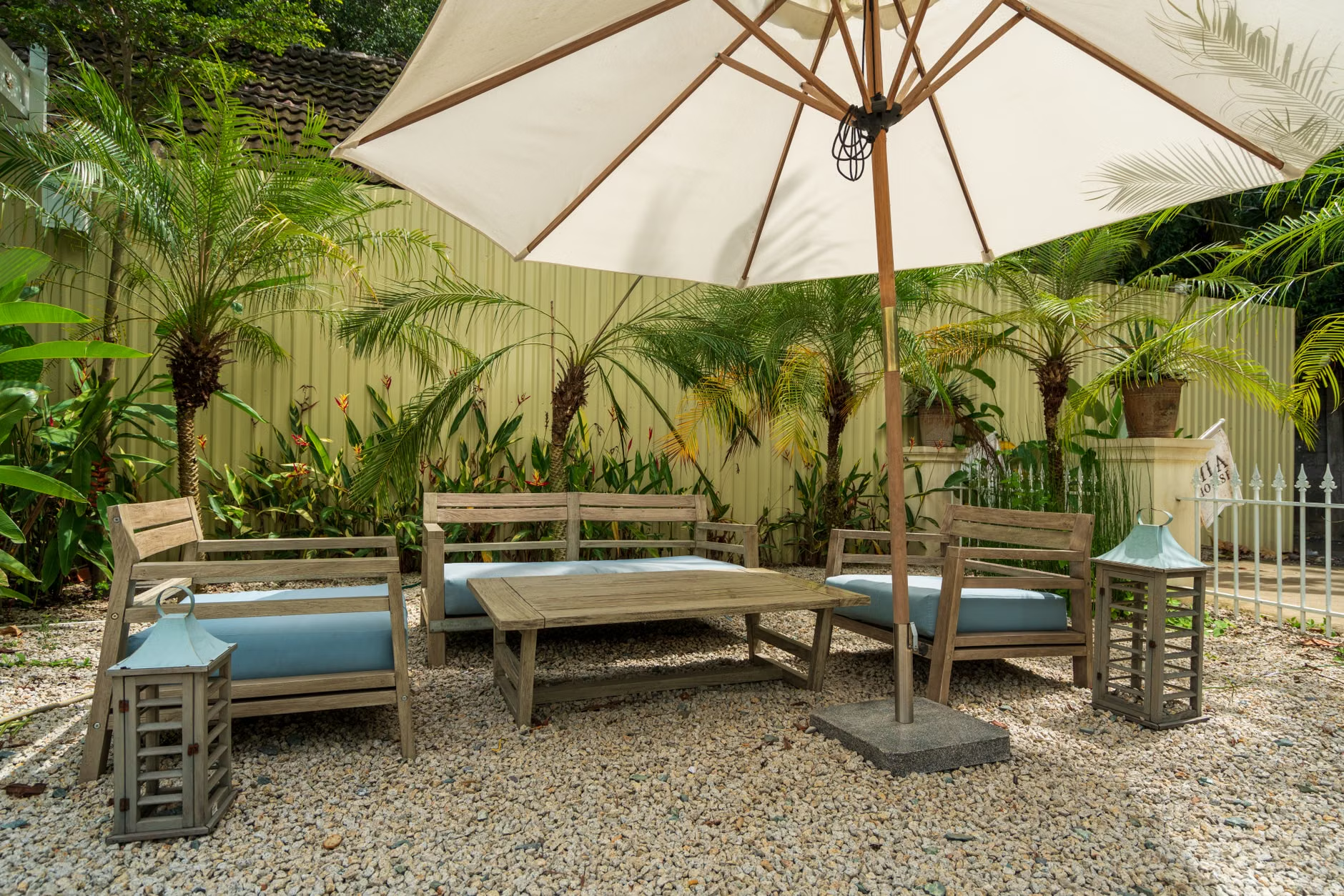
In a backyard that bakes for hours, the best shade solution is rarely the biggest thing on the shelf. What matters more is whether it blocks the sun when the space is actually used, whether it allows trapped heat to escape, and whether it can handle wind without becoming a constant chore. A small adjustable shade in the right place can outperform a larger decorative structure that leaves the west side exposed.
Just as important, overhead cover does not fully solve a patio surrounded by heat-storing pavers, stone, or walls. Shade improves comfort, but it should still be paired with basic sun-protection habits rather than treated as complete protection on its own.
Map the heat before choosing the structure
The most common buying mistake is choosing a product before identifying the actual problem. Hot backyards usually have one or more of three issues: harsh overhead sun, low late-afternoon sun from the west or southwest, and heat reflecting back from hardscape. Each calls for a different answer. An open-roof pergola may soften noon light but do very little against low evening sun. A large umbrella can block overhead glare but leave the patio edge exposed right when dinner starts.
- On a clear day, stand in the main seating or dining area at 10 a.m., 1 p.m., 4 p.m., and 6 p.m.
- Take phone photos from the same spot so you can see where shadows actually fall.
- Note whether the discomfort comes from above, from one side, or from hot surfaces underfoot.
- Pay attention to wind exposure, because breezy yards are much harder on umbrellas and loose fabric.
This quick check usually makes the decision clearer. For example, if a patio is pleasant until about 3 p.m. and then gets blasted from the southwest, a standard slatted pergola on its own will not solve the problem. That space needs side protection as much as overhead cover, such as a retractable screen, a drop shade panel, a cantilever umbrella that can be rotated, or a planted buffer that intercepts late sun before it reaches the seating area.
The best option depends on how fixed, flexible, and complete the shade needs to be
For most hot and sunny backyards, the strongest options fall into four groups. None is universally best. The right choice depends on whether the yard needs movable shade, all-day coverage, a softer planted feel, or a more architectural outdoor room.
Cantilever umbrellas are best for targeted shade that has to move
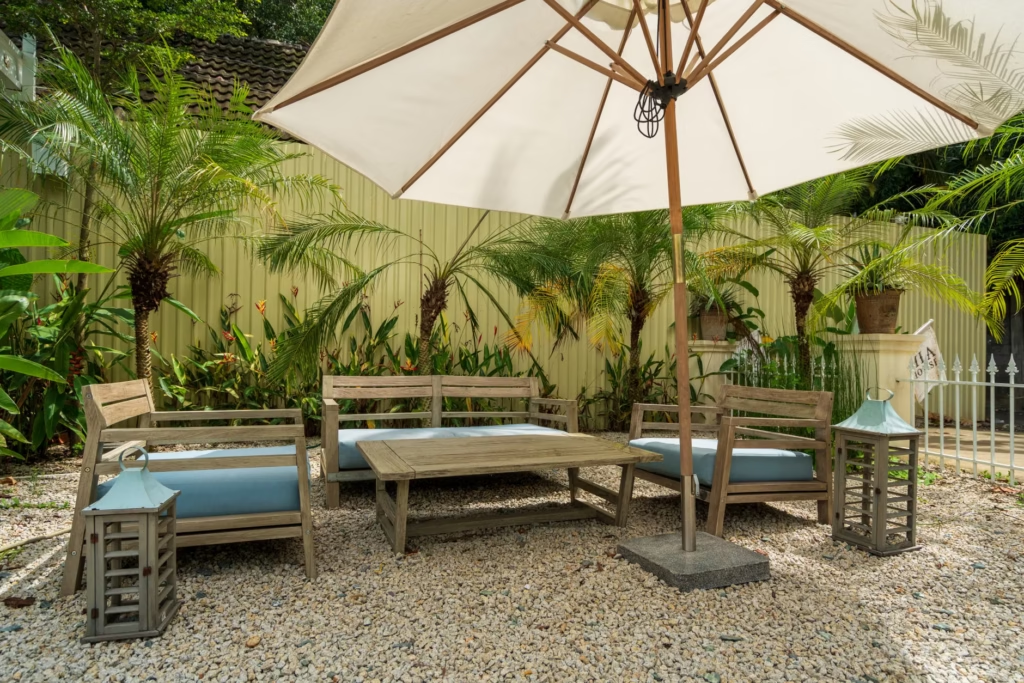
A good cantilever umbrella works well over a dining table, a pair of lounge chairs, or a small conversation area where the sun angle changes through the day. Its biggest advantage is flexibility. It can swing, tilt, or shift position without committing the whole patio to permanent posts. The tradeoff is coverage and durability. Umbrellas are rarely the best answer for broad, all-day relief in a windy yard, and they need a serious base rather than a lightweight stand. They work best as precise tools, not as a complete climate strategy for a large backyard.
Pergolas work best when they include a real shading layer
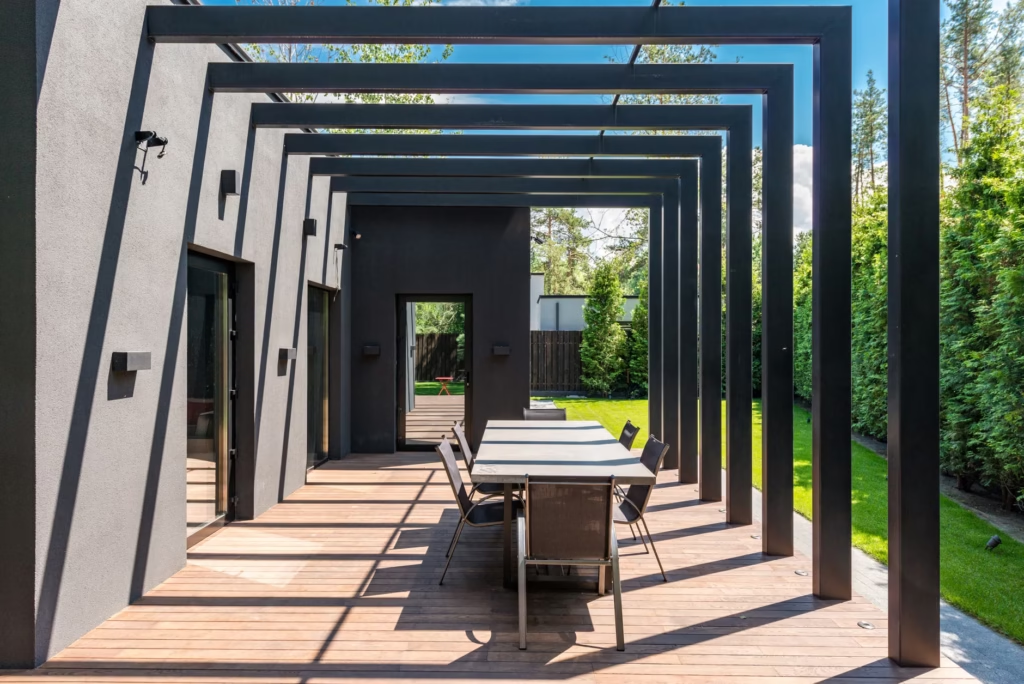
Pergolas are often the right answer for a patio that needs a defined, permanent outdoor living zone. But there is an important distinction: a decorative open-slat pergola is not the same as a heat-blocking shade structure. In a very sunny yard, the most useful versions include a retractable canopy, adjustable louvers, a solid cover, or compatible side screens. That makes them far more effective during peak heat and late-afternoon glare.
Pergolas also make sense when the space may later need lighting, a fan, privacy curtains, or climbing plants. The downside is that they are less forgiving if the placement is wrong, because the posts and roofline set the room in place.
Shade sails cover a lot of space with a lighter footprint
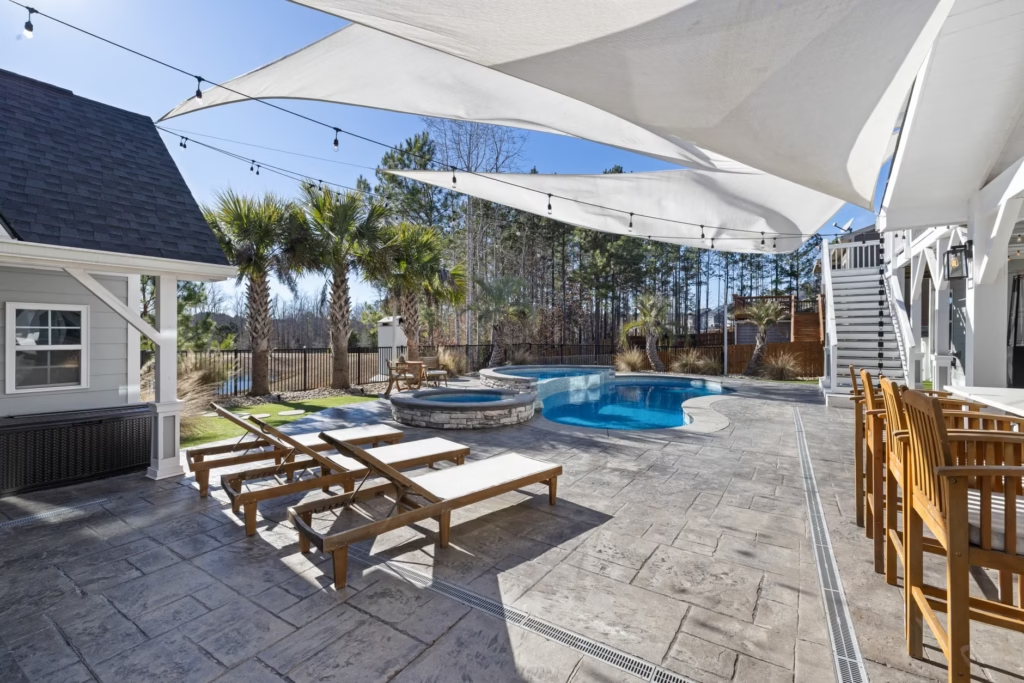
Shade sails can be excellent over compact patios, play areas, or side yards where a full structure would feel bulky. They create generous coverage and keep the space visually open. They also work well when the problem is broad overhead exposure rather than a small hot spot over one table. The catch is that sails only perform well when the attachment points are strong and the fabric is properly tensioned. In windy or storm-prone locations, weak anchors become the problem. Sails also need thoughtful angles for drainage and sun direction, so they are less of a casual weekend add-on than they first appear.
Trees and planted shade improve the whole backyard, not just the seating area
If the yard feels harsh even in partial shade, planting is often the missing layer. Trees, vines, and tall shrubs can cool a space by shading surfaces and softening the heat that hardscape throws back into the air. This is especially helpful on the west edge of a yard, where low sun and radiated heat tend to combine.
The limitation is time. Natural shade is usually a longer-term investment, not an instant fix for this summer. It also needs placement that respects roots, foundations, sightlines, and maintenance. Still, planted shade often makes a backyard feel better in a more complete way than fabric alone.
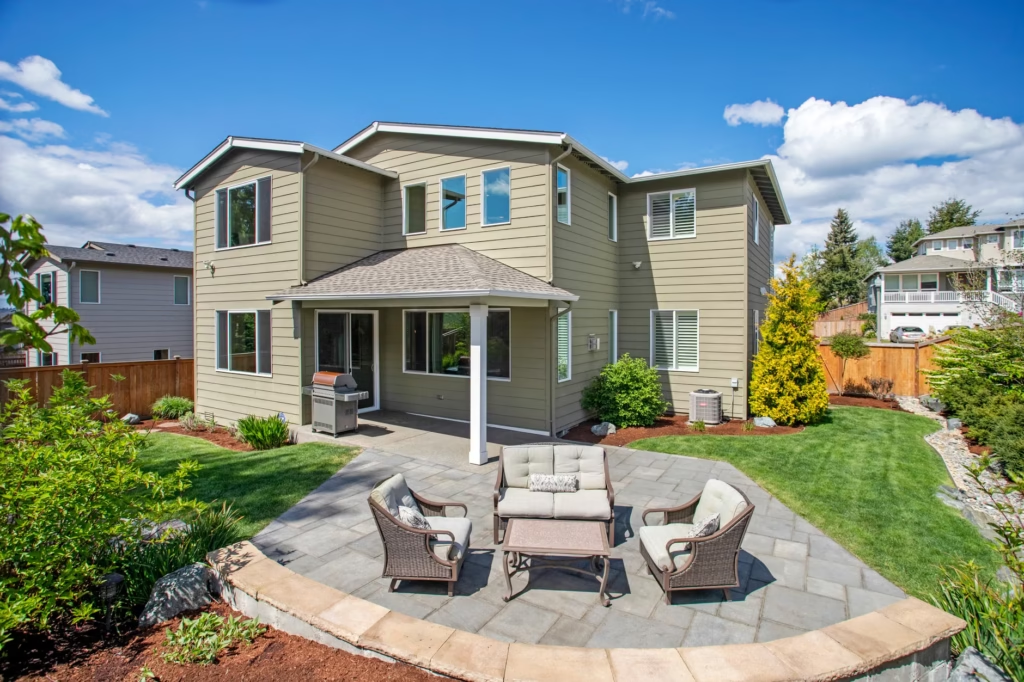
Most great backyards use layered shade instead of one giant solution
The most reliable answer for a hot backyard is usually a combination: one permanent shade layer over the main living zone, one adjustable element for shifting sun, and one planted element for broader cooling over time. A realistic example would be a pergola with a canopy over the dining area, a cantilever umbrella near the lounge chairs, and a tree or tall planting bed on the west side to reduce late-day heat. That approach usually performs better than spending the full budget on one oversized feature that looks dramatic but solves only one part of the problem.
- If the main problem is noon glare, prioritize overhead coverage.
- If the yard gets brutal after 3 p.m., add vertical or angled shade on the west or southwest side.
- If the space is windy, lean toward built structures or professionally installed sails rather than relying only on large umbrellas.
- If the patio still feels hot in shade, look at the paving, nearby walls, and planting gaps instead of assuming the roofline is the only issue.
- If the area includes a grill or fire feature, keep fabric and low canopies well clear and preserve ventilation.
Permanent shade structures and tensioned sails may require footings, strong anchors, utility checks, or local permit review. If there is any doubt about structural attachment or wind exposure, it is worth getting site-specific advice before ordering materials.
The best shade solution is the one that matches the sun path and the way the backyard is actually used. Start by mapping where the heat comes from, then buy for coverage, airflow, and adjustability instead of headline size. That usually leads to a cooler patio, a more usable yard, and fewer expensive regrets.